“SAMRIDDHI” Transforming Lives of 6000 Tribal and Marginalized Families through Integrated Agriculture, Livestock and Water Resource Development in East Singhbhum.
Background and Problem Statement:
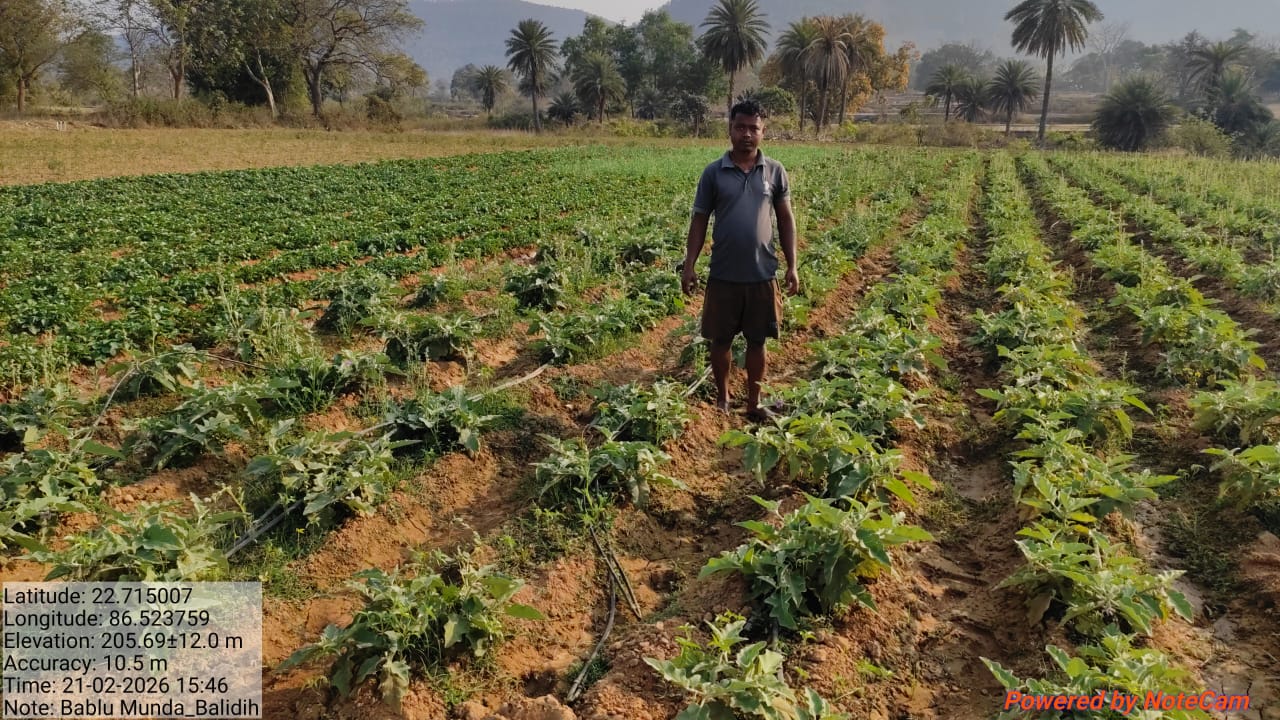
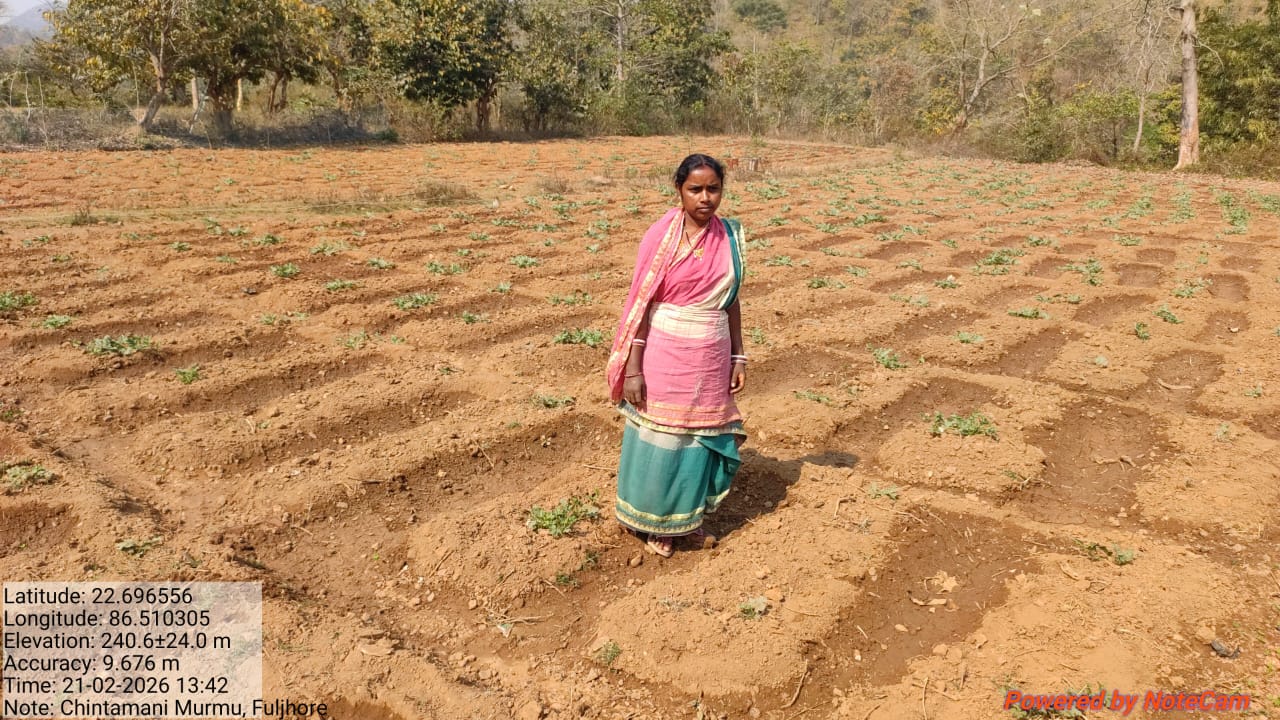
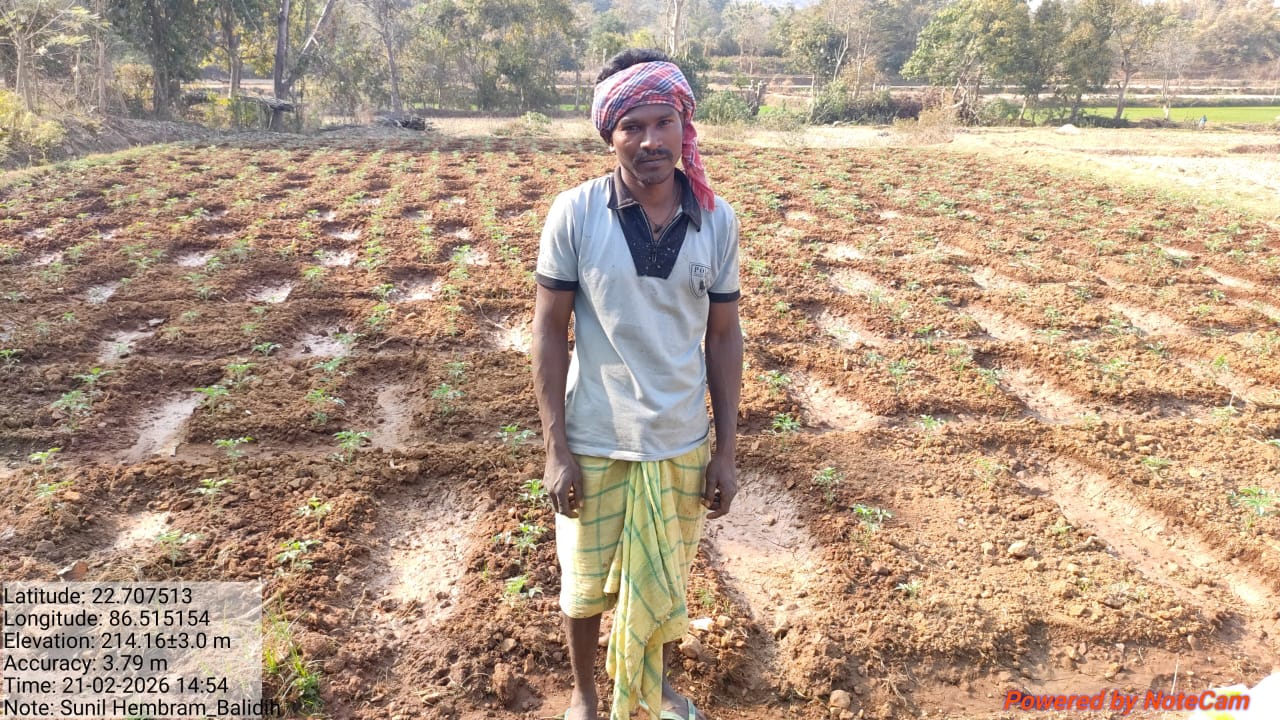
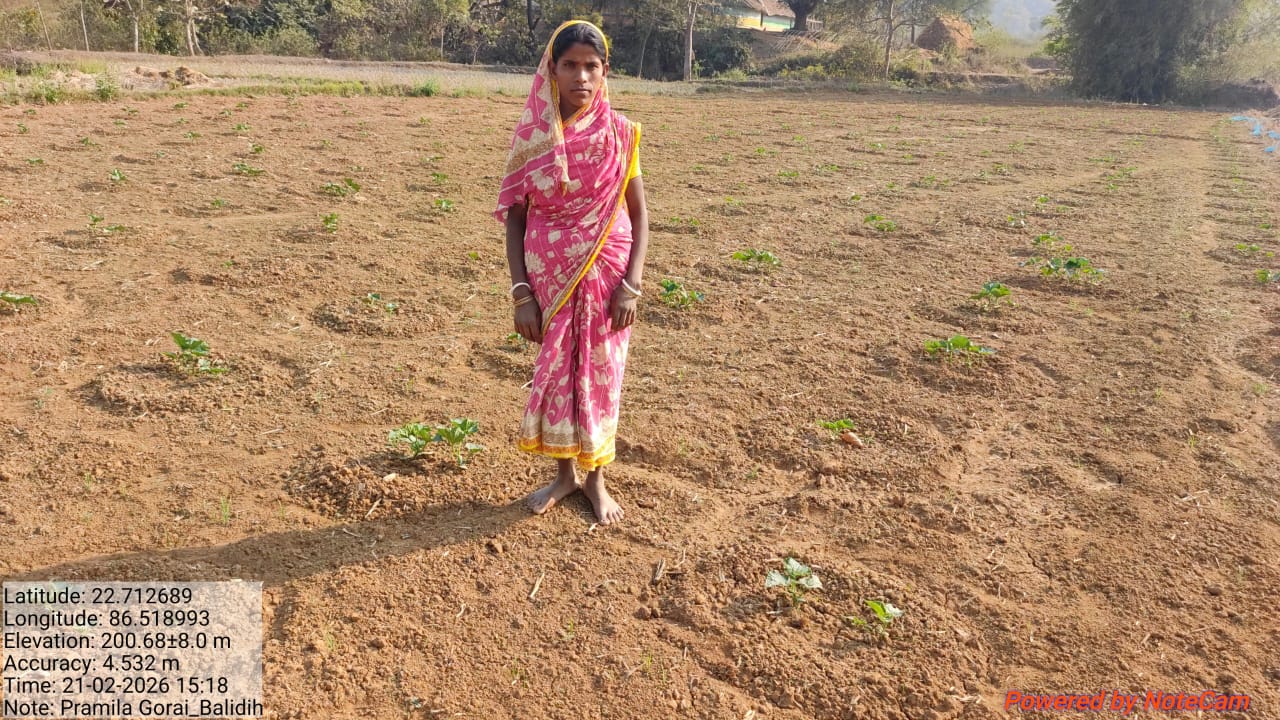
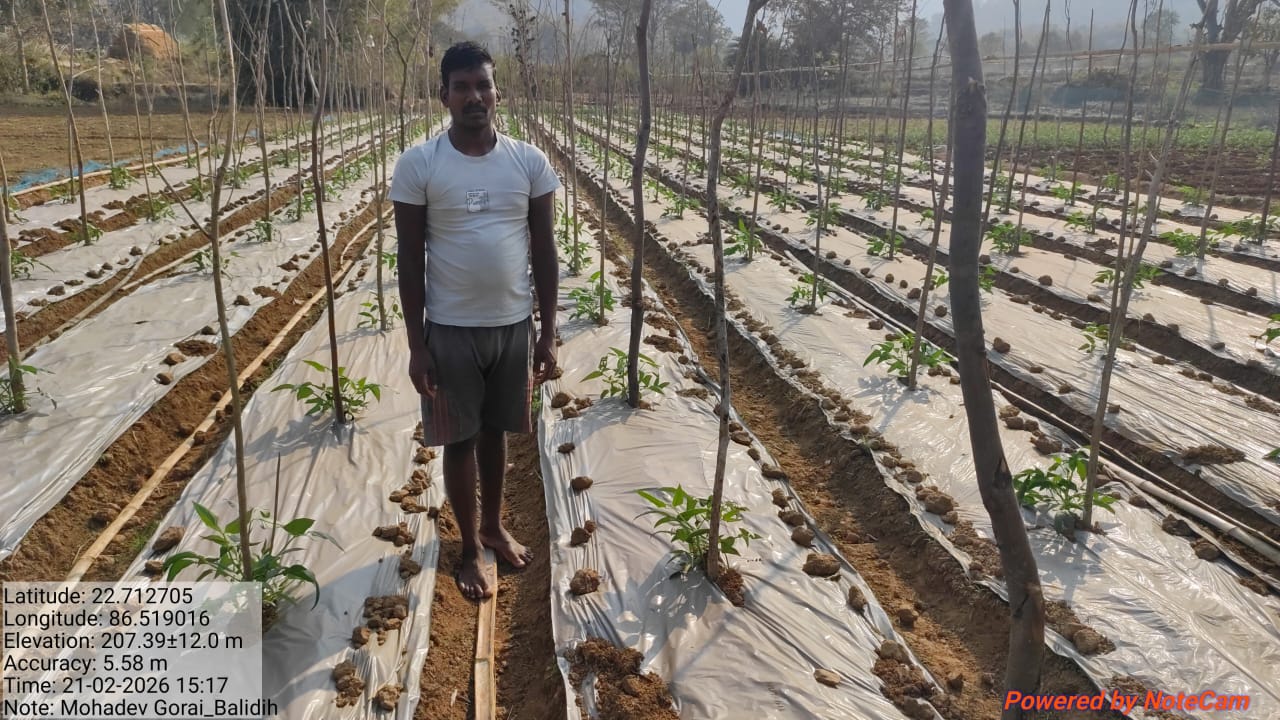
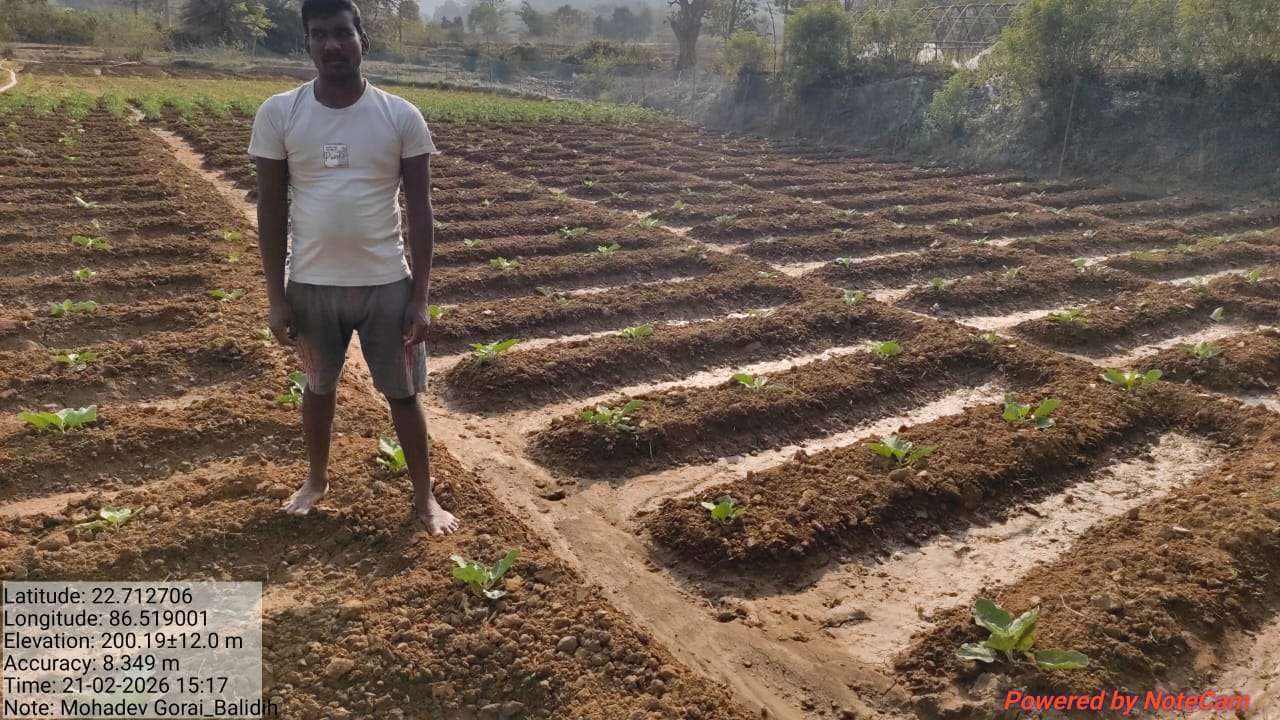
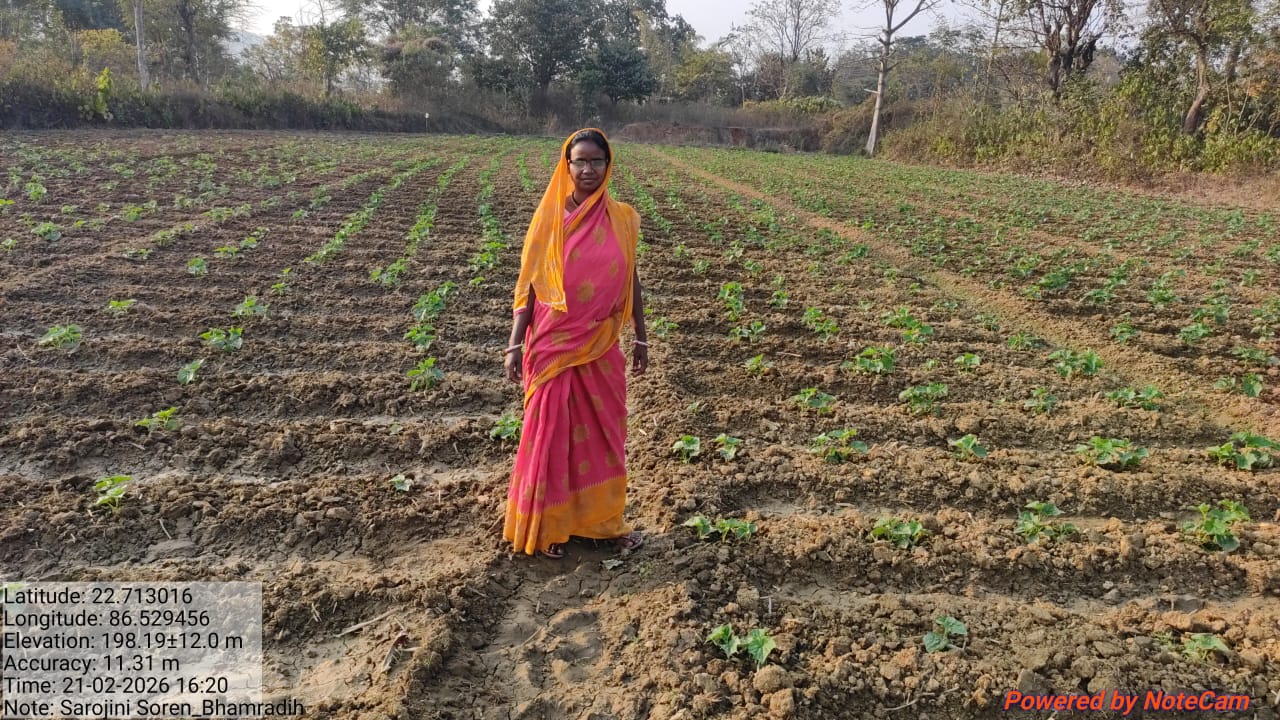
Remote, rural families in the targeted area face low agricultural productivity, unstable income, and land degradation due to undulated and sloppy terrain dominated by upland (30-40%), medium upland (40%), and low land (10-20%) plots averaging just 1–1.5 acres per household. Most practice rainfed cultivation, challenged by acidic, lateritic soils with low organic matter and shallow depth (10–25 cm in upland and medium upland, 25–50 cm in lower lands), making crops highly vulnerable to erosion, nutrient loss, and deforestation. Issues are aggravated by an absence of soil testing, poor farmer awareness on soil fertility management, limited crop planning, and lack of crop diversification, resulting in unchecked pest and disease cycles and missed market opportunities to improve income.
At least 60% of families supplement farm incomes by rearing goats and backyard poultry on a small scale, but experience high livestock mortality rates (30–40%) due to inadequate access to veterinary services and poor adoption of improved rearing practices, despite the significant potential for livestock-based income in these forest-fringe villages.
Production, productivity, and income are hampered by several interconnected problems:
- Insufficient knowledge and skills regarding improved crop cultivation, pest/disease control, appropriate use of implements, and market trends.
- Limited access to irrigation infrastructure, restricting winter, early summer and summer cultivation.
- Due to climate change effect, farmers are continuously facing agriculture draught, continuous heavy rain, disease and pest attack, glut situation, crop loss, low productivity and low income.
- Poor vet-care access, advance knowledge and skill gaps in livestock management, 40% death of animals in diseases resulting low scale of livestock units and low income.
- Weak road and transport connectivity, impeding market access in nearby towns like Ghatsila and Jamshedpur.
- Youth outmigration owing to agriculture’s poor profitability and scarce skill development options.
Overall, the cycle of land degradation, inadequate knowledge and infrastructure, and poor connectivity leaves these rural households unable to sustainably enhance their agricultural and livestock productivity or stabilize incomes, causing persistent socio-economic vulnerability.
Proposed Area for Intervention:
| Sl. No. | State | District | Block | Total No. of GP | Target GP | No. of village | No. of Target beneficiary | ST % |
| 1 | JHARKHAND | East Singhbhum | GHATSILA | 22 | 8 | 72 | 3800 | 70 |
| 2 | DUMURIA | 10 | 3 | 24 | 1200 | 75 | ||
| 3 | WB | Jhargram | JAMBONI | 10 | 3 | 20 | 1000 | 70 |
| TOTAL: | 14 | 116 | 6000 | |||||