Supported by Rotary Whitby of CANADA
Project period August 2025 to July 2026
Project Area: Gira, Pachami and Barapipri villages under Sapdhara GP, Jhargram Block, Jhargram District, WB
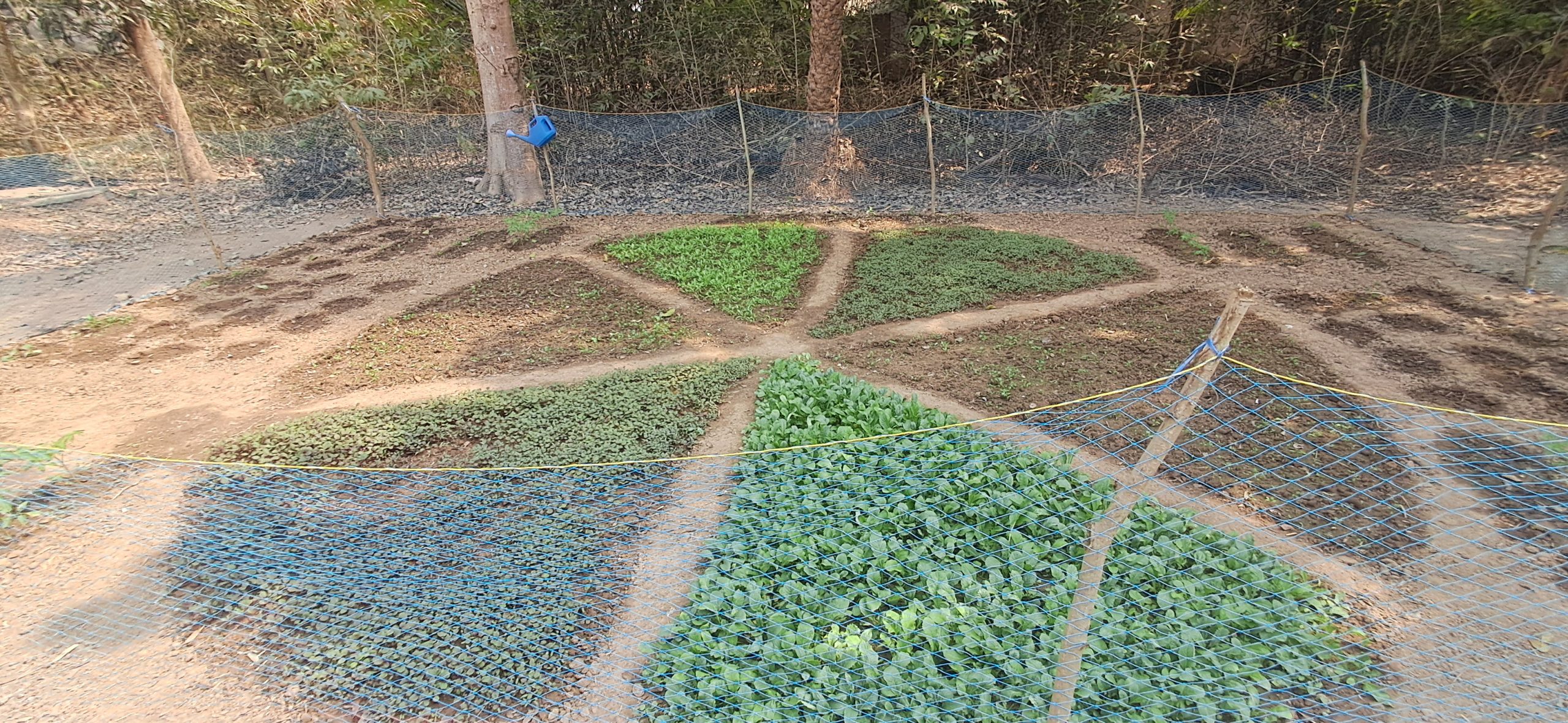
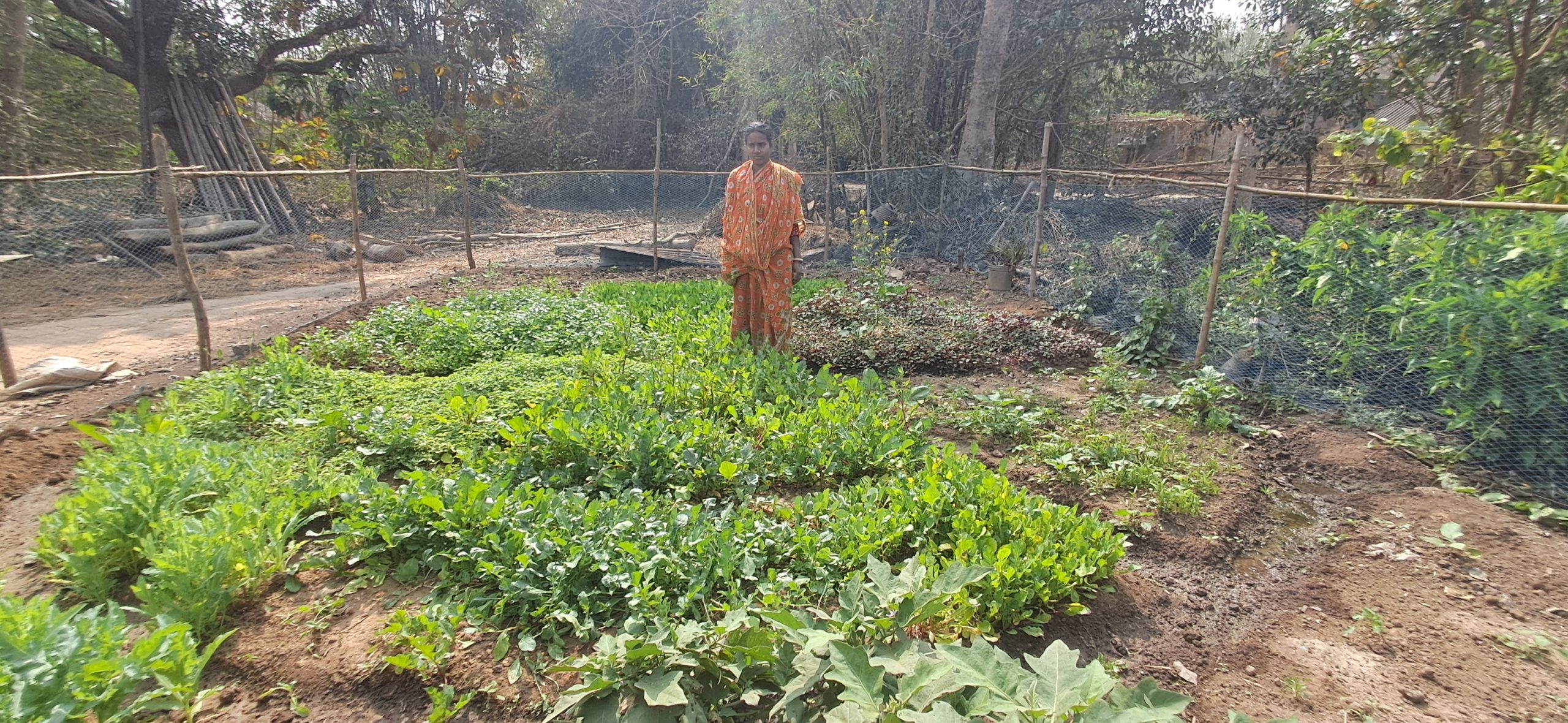
During long association with the communities in the target areas, economically disadvantaged households, it has been observed that their daily meals consist mostly of Carbohydrates, e.g. rice, potatoes. Occasionally they have protein rich food.. The target beneficiaries grow paddy in their own land or work as day labor in agricultural fields. Rice is the staple food of the target households. From PDS they get rice and wheat. It is felt that if the women farmers grow vegetables in their own homestead lands they can arrange a better platter for their families containing balanced food items. Kitchen gardens could be established and maintained on a small patch of land with minimum technical inputs, hence these gardens would provide rural resource poor communities to grow supplemental food production as well as an opportunity to improve their livelihoods. Kitchen gardens help increase household income by sale of surplus of the food products grown in the gardens after meeting the families’ consumption needs. The additional income can be used for the well being of the family members especially of the children.
Family labour especially efforts of women, becomes particularly important in the management of these gardens.
Kitchen garden directly contributes to household food security by increasing availability, accessibility and utilization of food products. Food items produced in Kitchen gardens add to family nutrition substantially, which directly leads to reduction of food insecurity.
Adequate nutrition is not only dependent on the quantity of food available , intake of micro- nutrient rich foods are very much required for better health of the people.
Besides, the major use of organic farming practices makes these gardens environment friendly as well. Beneficiaries of the Kitchen garden initiative would use organic methods of cropping including organic manure and non- chemical pesticides. Lesser or no dependence on chemical fertilizers and pesticides automatically makes kitchen gardening an environment friendly initiative.
In addition to this, kitchen gardens would provide environmentally sound opportunities for waste disposal. Composting would be commonly used for household wastes including kitchen wastes, paper and even animal wastes, which would enrich the soil and improve soil health.
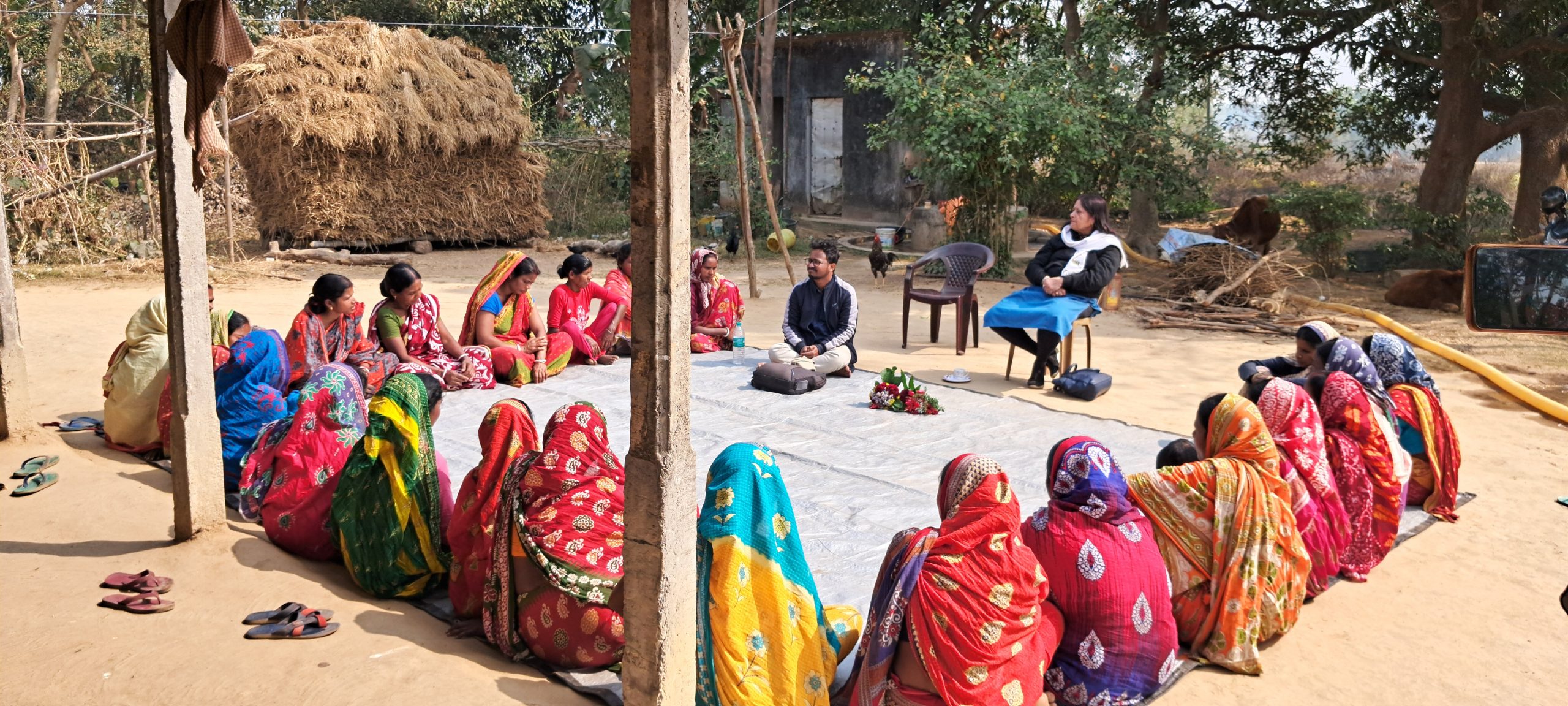
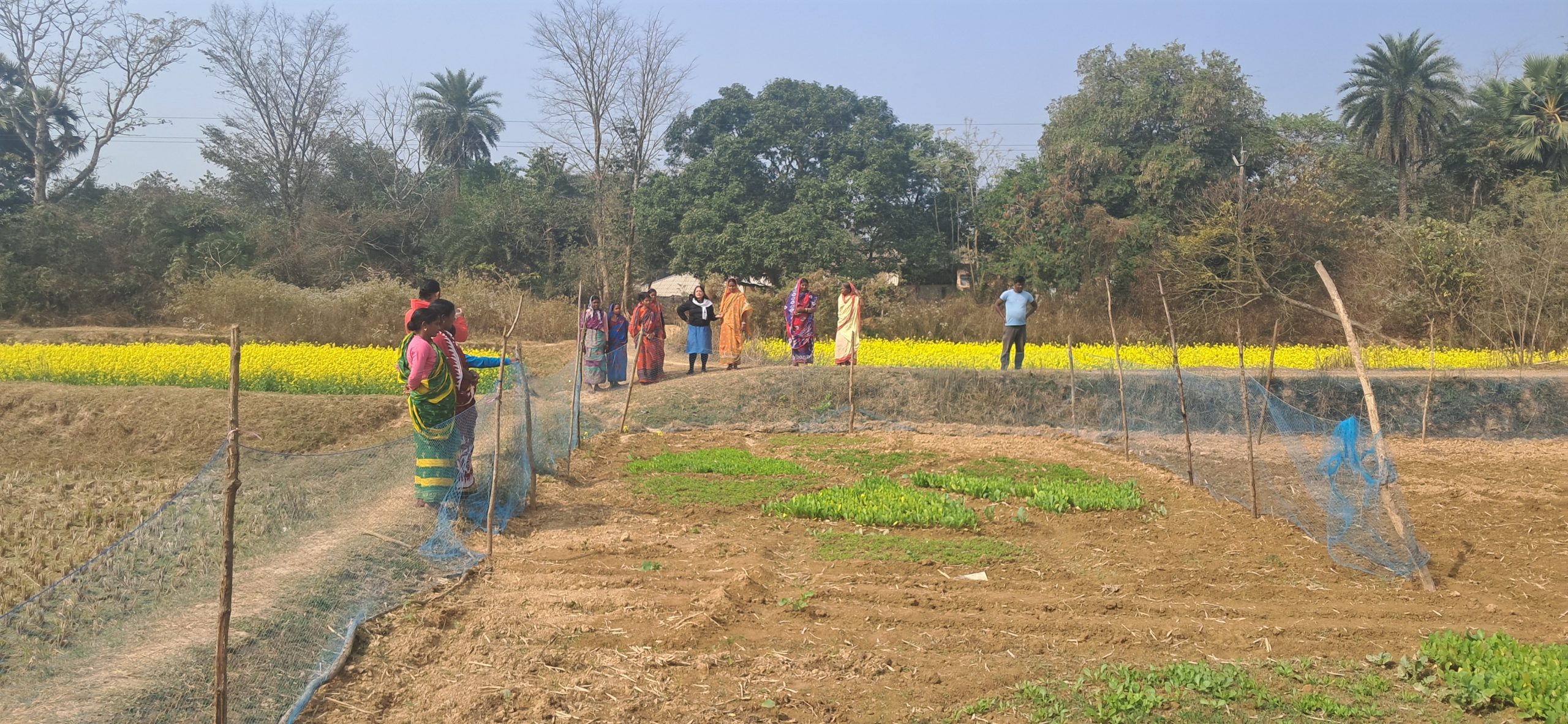
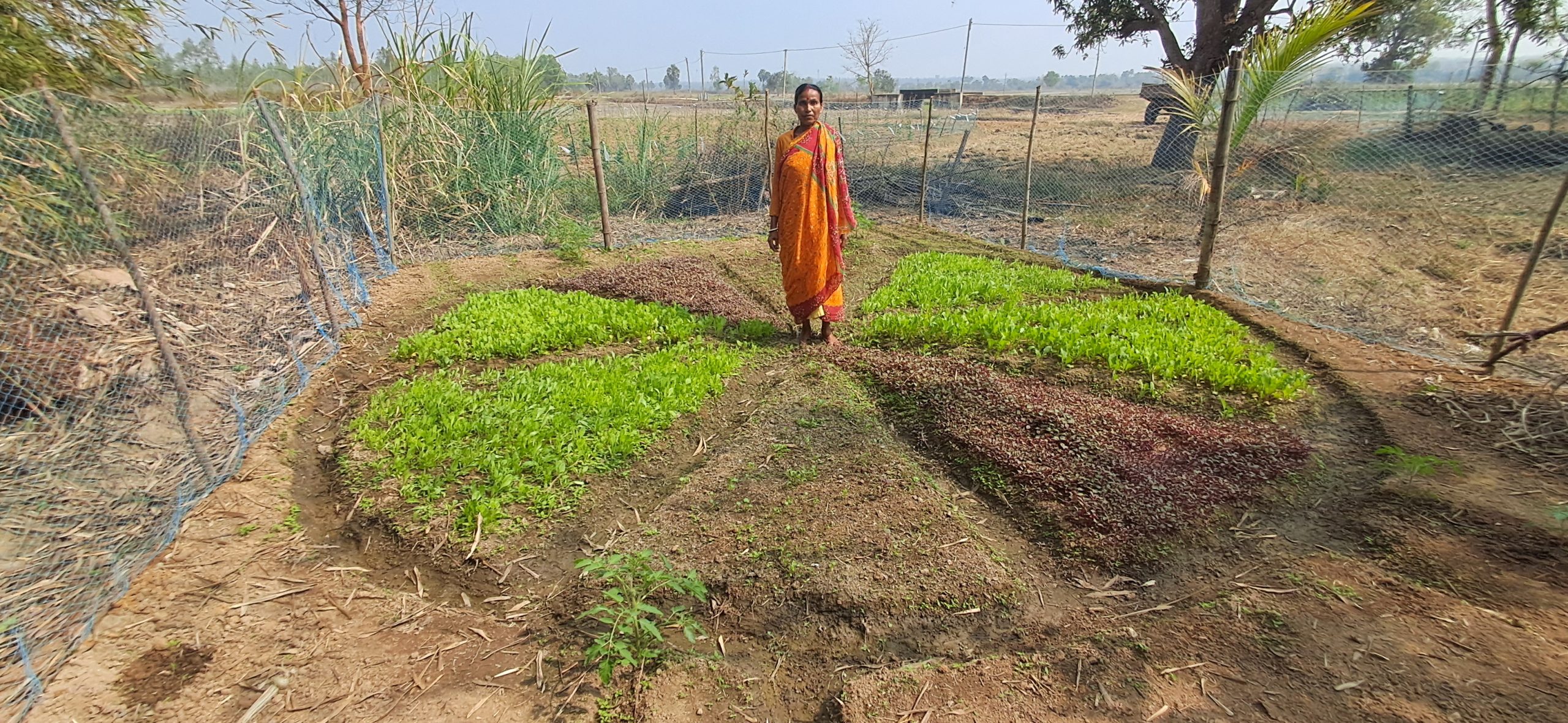
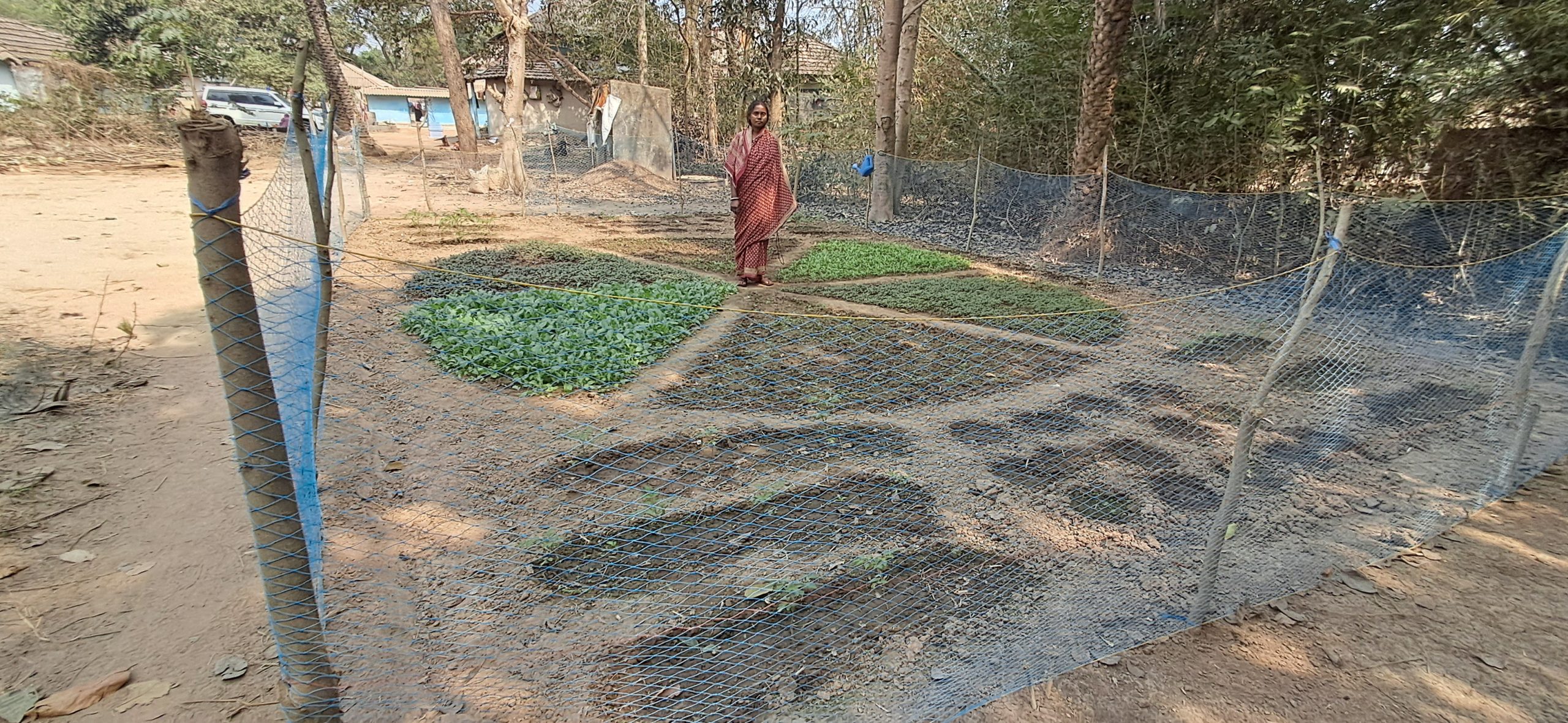
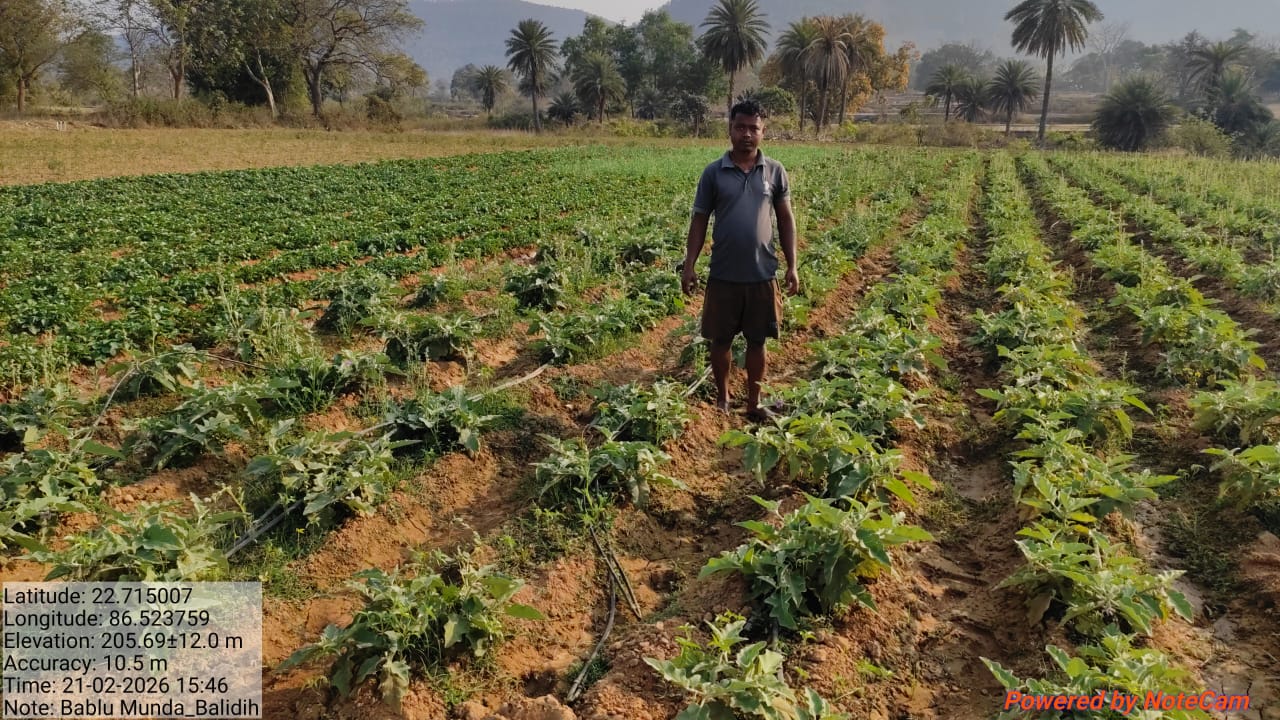
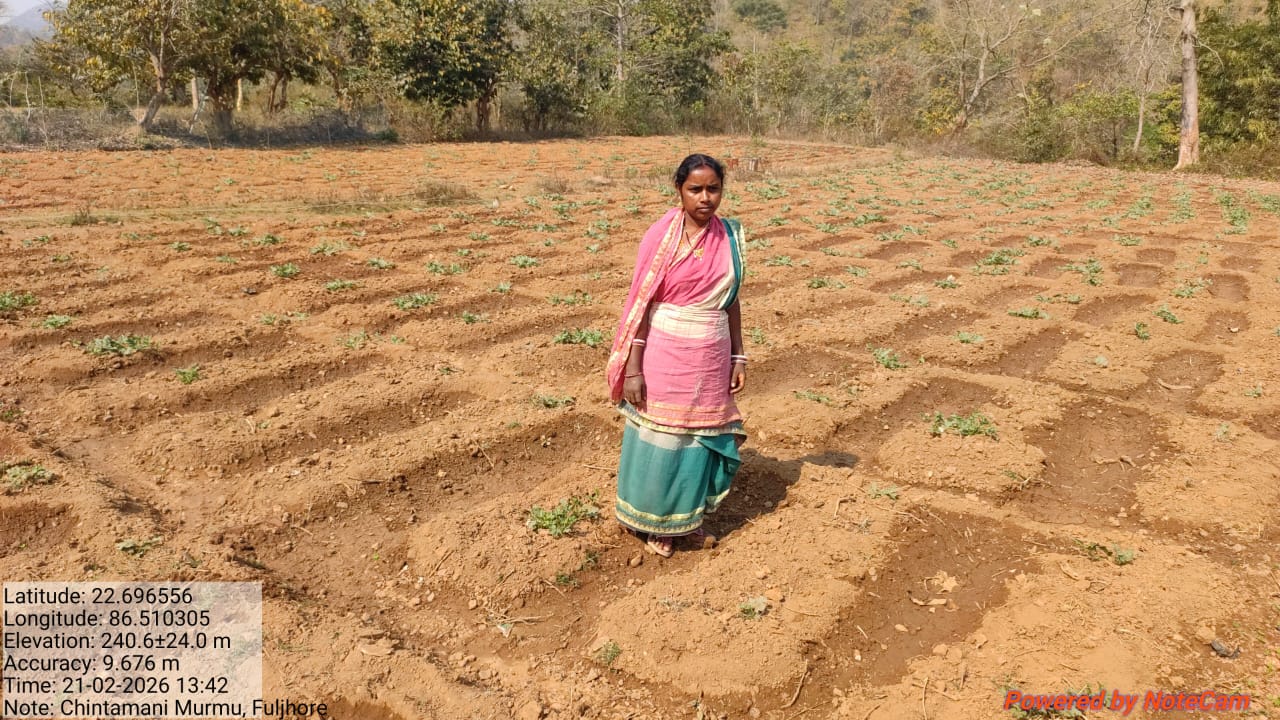
The initiative started with 100 families with members of the Farmers Producers Groups ( FPG) formed and managed by women of poor families. The selected beneficiaries must have sufficient space in their homestead land or adjacent to their residence. 670 sq ft of land may be adequate to get vegetables round the year
Main objectives are to
-ensure nutritious square meal a day throughout the year fo the beneficiary families;
-ensure cent percent women’s active role in developing and managing the Nutrition Gardens
– ensure usage of organic farming practices