Supported by Cini (Tata Trust.)
RDA has initiated an Integrated Water Resources and Quality Management Project with the generous support of Cini Tata Trusts, aimed at strengthening long-term water security, improving water quality, and building resilient rural ecosystems. This project responds to growing challenges such as groundwater depletion, contamination from agricultural and domestic sources, and the effects of changing climate patterns on local water availability.
The initiative begins with a comprehensive assessment of the region’s hydrology, including surface and groundwater mapping, seasonal flow monitoring, and the identification of recharge zones. Advanced GIS tools, community surveys, and scientific water-quality testing are being used to map contamination risks, understand pollution pathways, and develop a detailed water-resource baseline. Key water-quality parameters—including turbidity, TDS, nitrates, heavy metals, and microbial indicators—are regularly monitored to ensure reliable data for planning.
Community participation is at the heart of the initiative. Through training programs, awareness campaigns, and the formation of village water committees, local stakeholders are empowered to manage, monitor, and sustain their water resources. By combining science, community ownership, and sustainable infrastructure, the project aims to create a replicable model for rural water security.
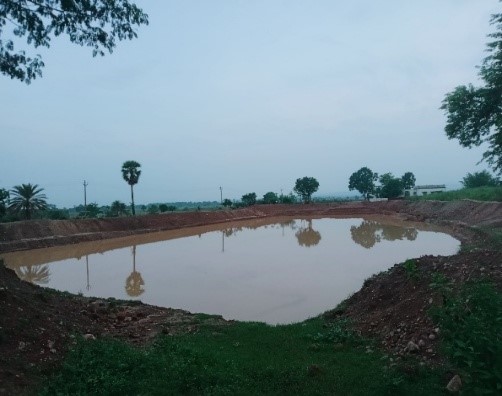
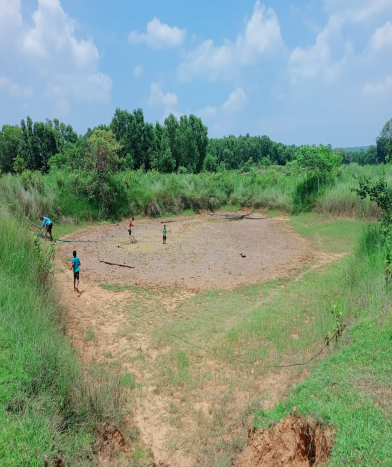
Pond renovation work for water recharge structure at Tetuldanga and Babaida village. Creation ofwater additional water storage capacity.
-
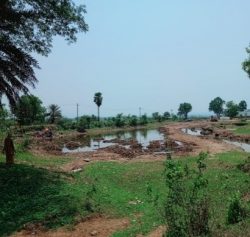
- Picture before at Tetldanga.
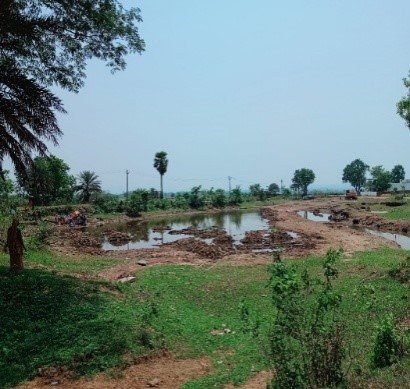
-
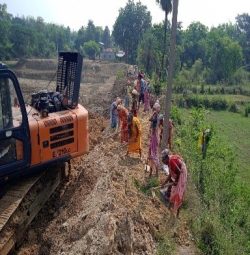
- ->
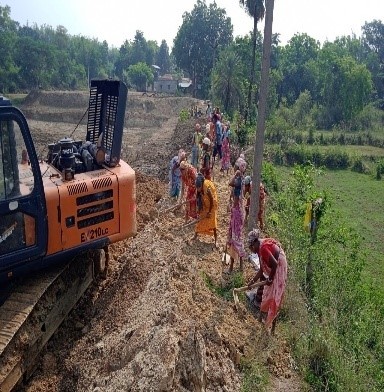
-
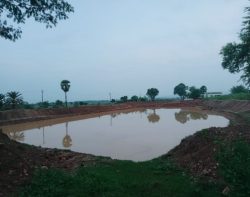
- After work the picture at Tetuldanga.
-
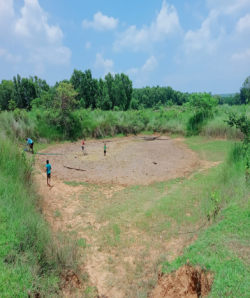
- Picture before the work at Babaida
-
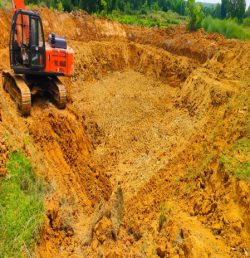
- ->
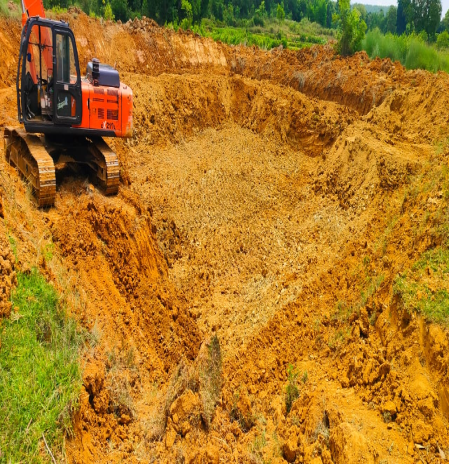
-
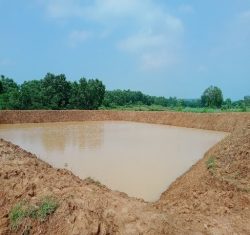
- After work picture at Babaida.
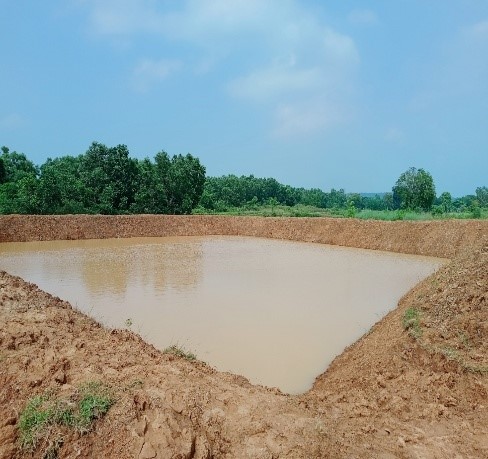
Village Action Plan at Babaida Jalsahiya Drinking water testing by FTK.